
Your Prescriptions Are Personal. Your Part D Plan Should Be Too.
Medicare Part D plans can differ in which prescriptions they cover, what they charge and which pharmacies give you the best price. We help you compare the details that can make a real difference in what you pay.
What Actually Determines Your Drug Costs?
Two Part D plans can cover the same prescription and still charge very different amounts. The details below can make a meaningful difference in what you pay throughout the year.
Monthly Premium
This is the amount you pay each month for your Part D plan, in addition to any other Medicare premiums you may owe.
Annual Deductible
Some plans require you to pay a deductible before certain prescription coverage begins. The amount can vary by plan.
Drug Formulary
Every Part D plan has its own list of covered medications. A prescription covered by one plan may be handled differently by another.
Drug Tier
Covered prescriptions are placed into different cost tiers. The tier assigned to your medication can significantly affect your copay or coinsurance.
Pharmacy You Use
Some plans offer lower prices at preferred pharmacies. The same prescription may cost more simply because of where you choose to fill it.
Copay or Coinsurance
Depending on the medication and plan, you may pay a fixed copay or a percentage of the prescription's cost.
Your medications, dosages, preferred pharmacy and the plan's formulary all need to be considered together.
Your Medications Matter More Than the Plan Name.
A familiar insurance company or low monthly premium does not automatically mean a Part D plan will be the best value for you.
The most useful comparison starts with the prescriptions you actually take, how often you take them, and where you prefer to fill them.
A plan that looks inexpensive at first can be much more expensive if your medications are placed on higher tiers or your pharmacy isn't preferred.
Why Your Part D Plan Should Be Reviewed Every Year.
A Part D plan that worked well for you this year may not be the best fit next year. Plans can change, and your prescriptions can change too.
Reviewing your coverage each year gives you a chance to make sure your medications are still covered, your pharmacy is still competitive, and your overall costs still make sense.
A quick annual check can help you avoid unnecessary surprises and make sure your coverage still fits your needs.
Want the Big Picture?
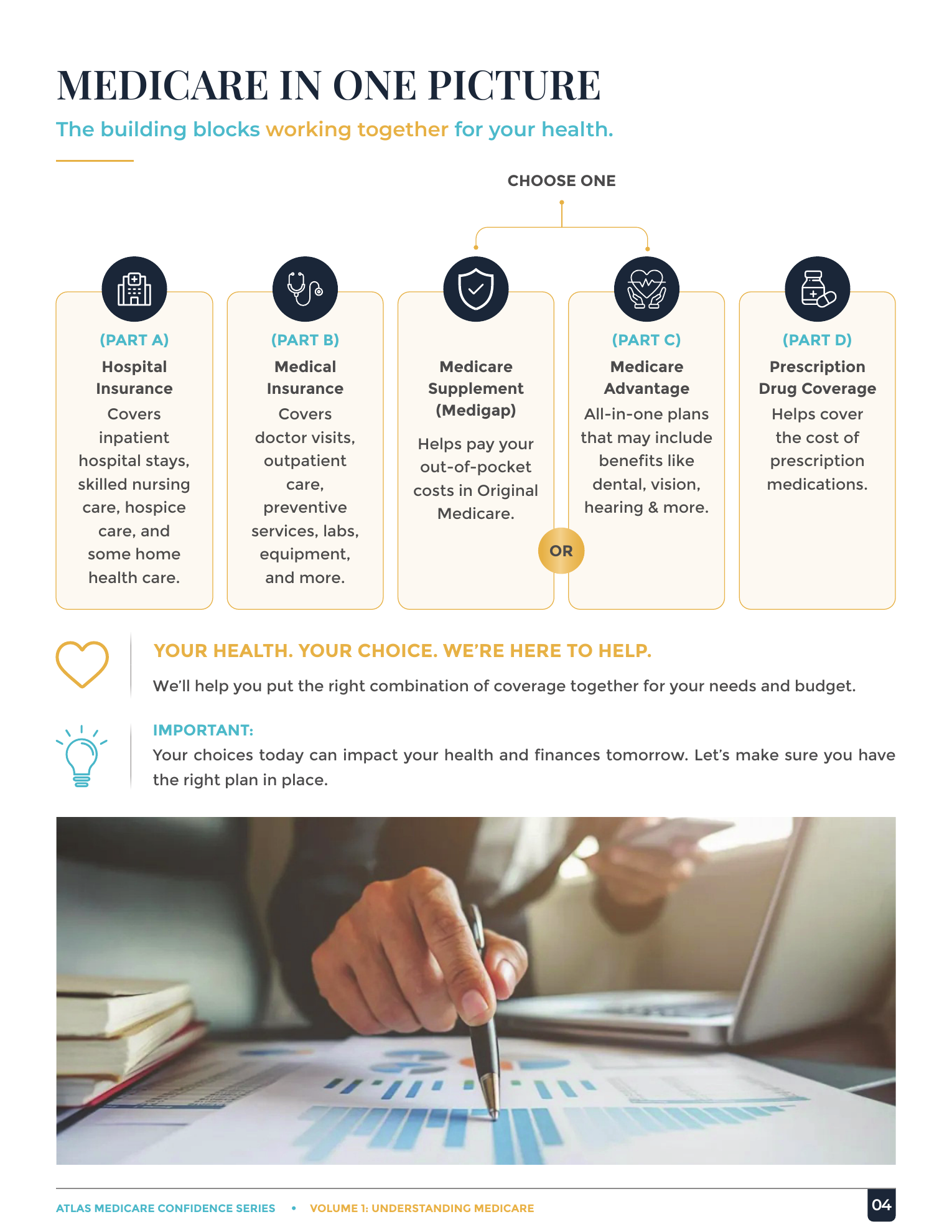
Prescription coverage is only one piece of Medicare. See how Part D fits into the bigger picture.
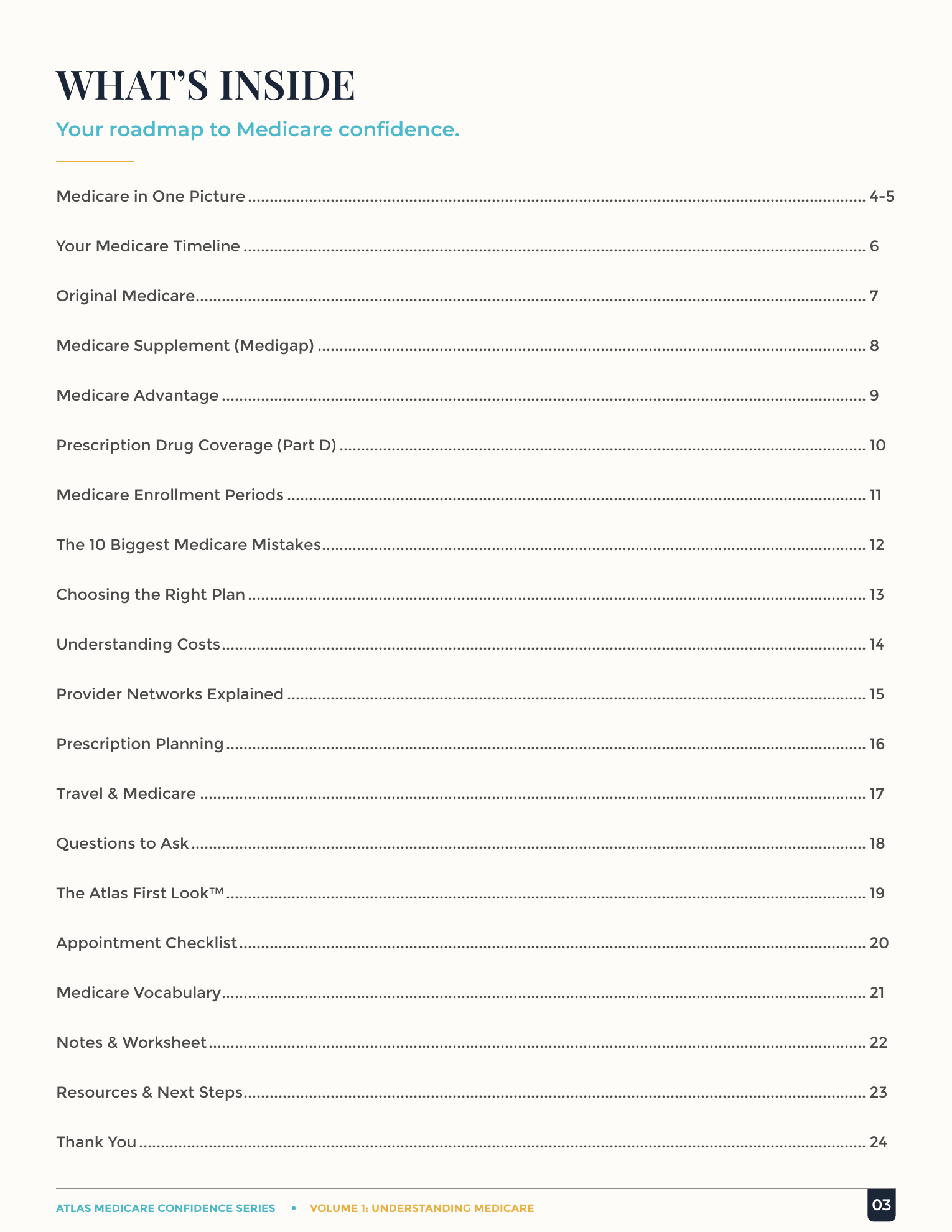
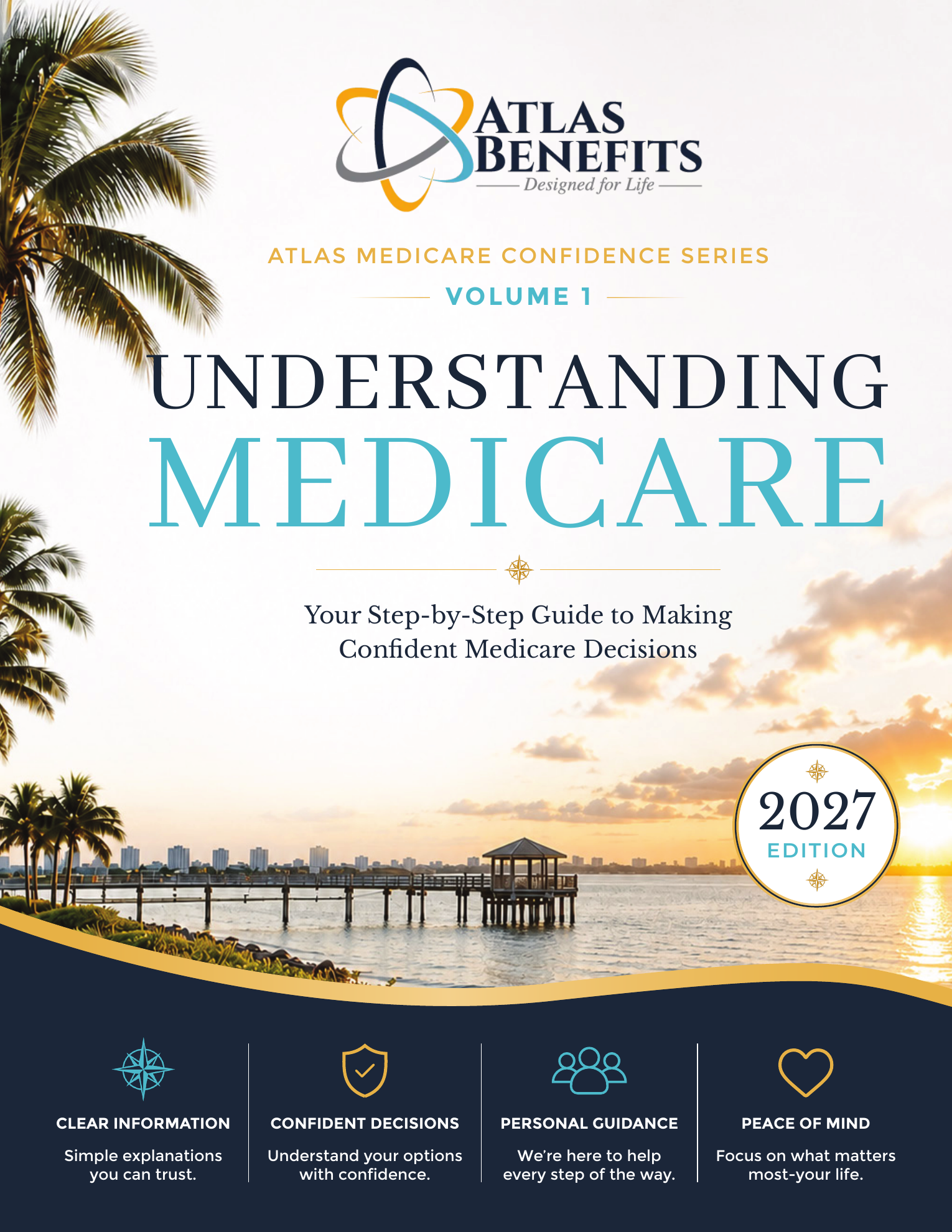
Our complimentary Understanding Medicare — 2027 Edition guide walks you through the Medicare essentials in clear, straightforward language.
Your Medications Are Unique. Your Part D Review Should Be Too.
We'll look at the prescriptions you take, the pharmacy you prefer, and the Part D options available to help you understand how the different plans may work for you.

We may not offer every plan available in your area. Any information we provide is limited to those plans we do offer in your area. Please contact Medicare.gov or 1-800-MEDICARE to get information on all of your options.