
Hospital Admission
Some policies include a benefit when you are admitted to a hospital.
Hospital indemnity insurance can provide cash benefits for covered hospital stays and other eligible services.
That extra cash can help with deductibles, copays, coinsurance and other expenses that may still be your responsibility under Medicare or a Medicare Advantage plan.

Even with Medicare coverage, hospital stays can leave you responsible for deductibles, copays, coinsurance and other expenses.
Hospital indemnity insurance is supplemental coverage. It is not a replacement for Medicare.
Instead, the policy can pay scheduled cash benefits for covered events, giving you additional flexibility when a hospital stay creates unexpected costs.
Choose a hypothetical hospital stay length below to see a simple illustration of how a hospital indemnity benefit might offset costs.
Exact covered benefits depend on the policy, but hospital indemnity plans may include cash benefits tied to certain covered services.
Some policies include a benefit when you are admitted to a hospital.
Certain plans may pay an additional amount for covered inpatient days.
Some policies include benefits for covered emergency-room services.
Certain plans may include a benefit for covered ambulance services.
Some policies include specific outpatient or observation benefits.
Benefits are generally paid according to the policy's schedule.
The role of supplemental cash protection can look different depending on the Medicare coverage you already have.
Medicare Advantage plans often use copays and coinsurance for hospital and other medical services.
A hospital indemnity policy may help provide an additional cash benefit when a covered hospital event occurs.
Medicare Medical Savings Account plans combine a high-deductible Medicare Advantage plan with a medical savings account.
Hospital indemnity coverage may provide another layer of financial protection before or around the time the plan deductible is met.

A hospital stay can affect more than just your medical expenses.
Transportation, meals, household support and other personal expenses can still create financial pressure. A cash benefit can give you more flexibility during recovery.
This type of coverage can be useful for people who want an extra financial cushion around hospital-related costs.
Some Medicare Advantage plans can require meaningful cost sharing for inpatient hospital care.
A scheduled cash benefit can provide additional financial support when a covered event occurs.
Supplemental cash benefits can help reduce the need to pull from savings for certain hospital-related expenses.
Hospital indemnity may complement an MSA strategy by adding another layer of protection around healthcare costs.
Extra cash benefits may provide greater flexibility when unexpected medical events occur.
Some people simply prefer having an additional layer of protection alongside their primary Medicare coverage.
The policy works alongside your existing health coverage and is subject to its own benefit limits, exclusions and eligibility requirements.
Admission benefits, daily hospital benefits and other covered services vary by carrier and plan design.
Waiting periods, exclusions, limitations and benefit schedules should always be reviewed carefully.
Hospital indemnity insurance is supplemental insurance and does not replace Medicare, Medicare Advantage or other primary coverage.
Your Medicare plan, financial reserves and expected exposure to out-of-pocket costs should all be considered.

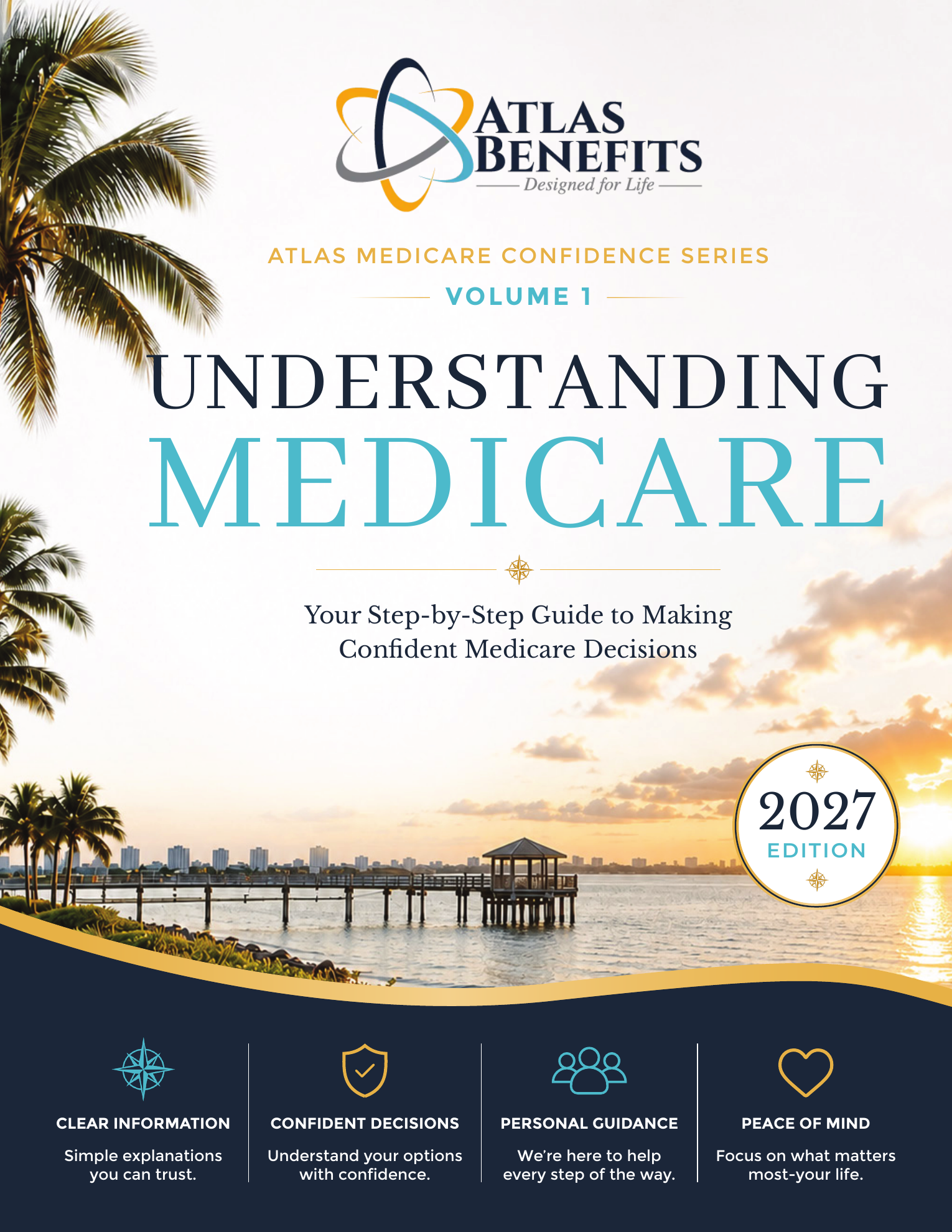
Hospital indemnity can be one piece of a broader Medicare strategy.
Our complimentary Understanding Medicare — 2027 Edition guide explains Medicare costs, coverage options and enrollment decisions in clear, straightforward language.
We'll help you understand how hospital indemnity insurance may fit alongside your Medicare coverage.
The goal is simple: give you a clearer picture of your possible out-of-pocket exposure and whether supplemental protection makes sense.
No cost. No obligation. Just clear Medicare guidance.
We may not offer every plan available in your area. Any information we provide is limited to those plans we do offer in your area. Please contact Medicare.gov or 1-800-MEDICARE to get information on all of your options.